assisted Air Quality Monitor W IoT Surveillance 23 Steps with Circuit Diagram Therefore, it is needed to design an AI based Air Pollution Monitoring System. Effects Of Air Pollution. On behalf of the World Health Organization (WHO) report, the presence of tiny particulates in outdoor air pollution is more dangerous than previously considered. According to the WHO, air pollution kills around 7 million people each year
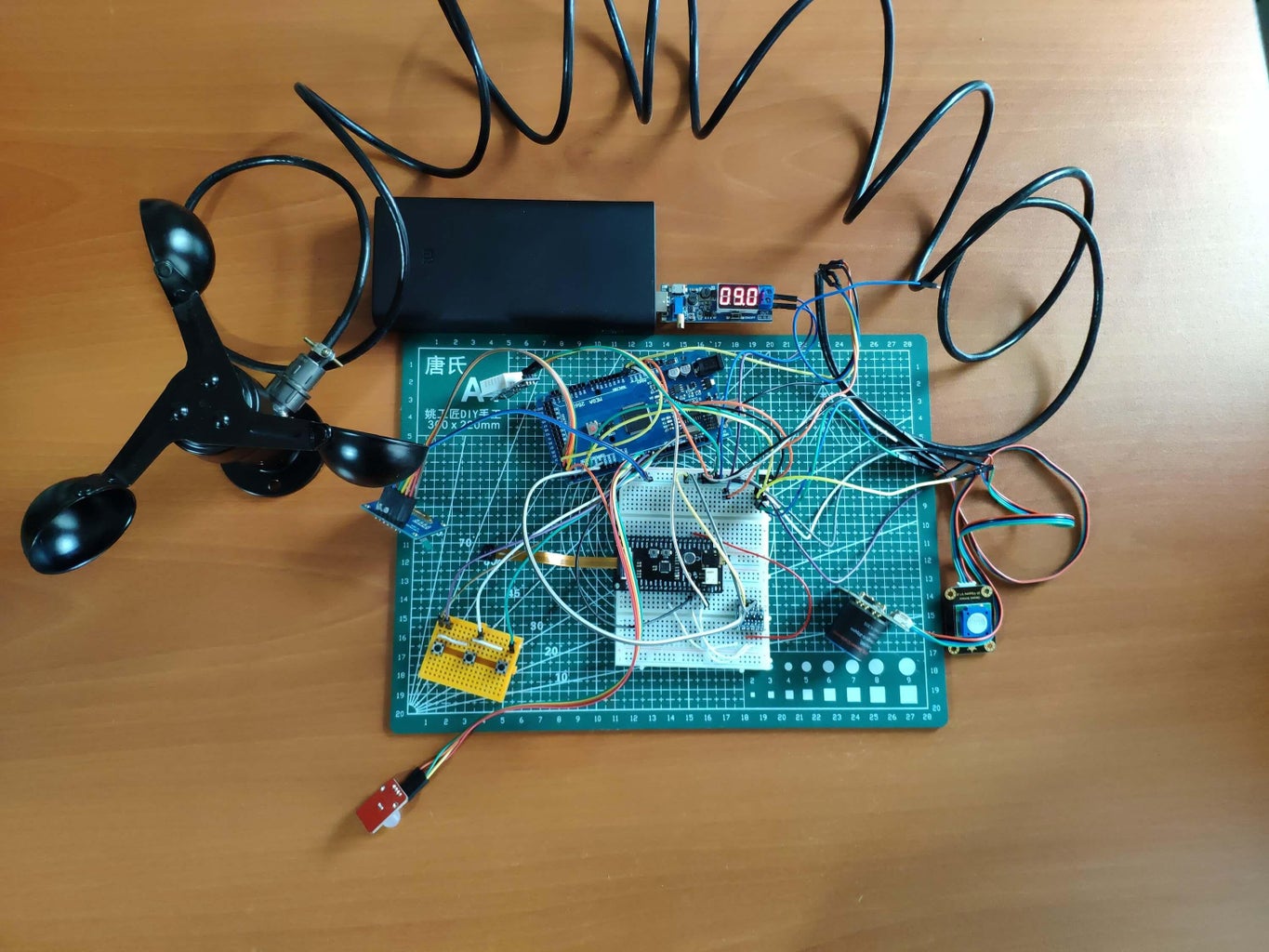
In order to track these many pollution sources and give susceptible populations early warnings, it is now essential to create AI-based monitoring and forecasting systems. More focused public health measures are now possible because of recent research showing how well machine learning algorithms anticipate pollution levels from a variety of

How AI is Transforming Air Quality Monitoring Circuit Diagram
An Artificial Intelligence utilizes experimental or theoretical prediction analysis, expected atmosphere automatic checking systems have sky-scraping accurateness, so far huge data collection and Components of IoT-Based Air Pollution Monitoring System. An IoT-based air pollution monitoring system consists of various components that work together to collect, transmit, analyze, and visualize air quality data. These components play a crucial role in ensuring the effectiveness and efficiency of the monitoring system. Let's explore the key
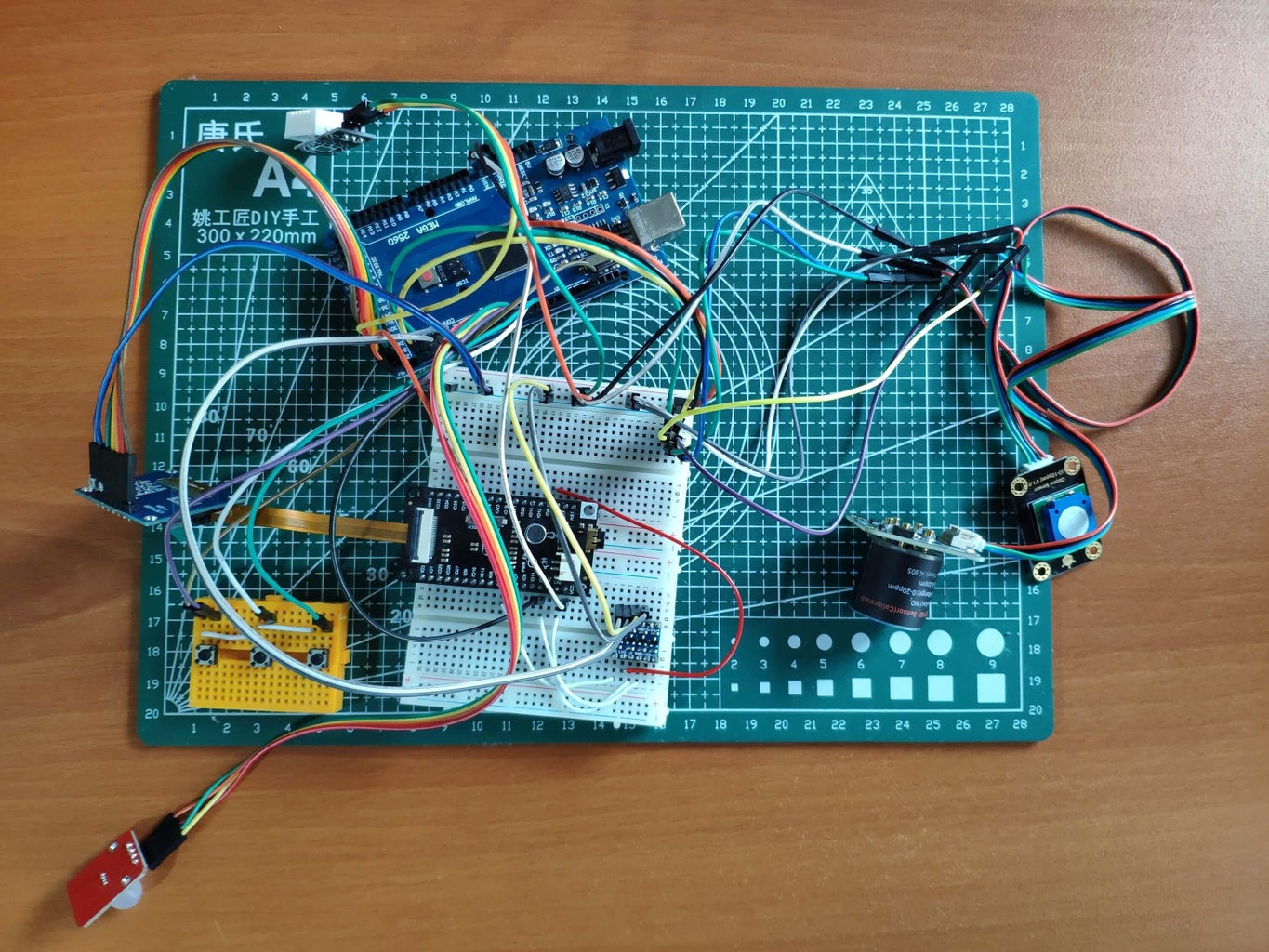
Event-Based Monitoring: AI-driven event-based monitoring systems continuously assess water quality parameters and trigger alerts in response to unexpected changes. These systems are particularly useful during pollution incidents. Case Studies. Real-world case studies highlight the practical applications of AI in water pollution monitoring:
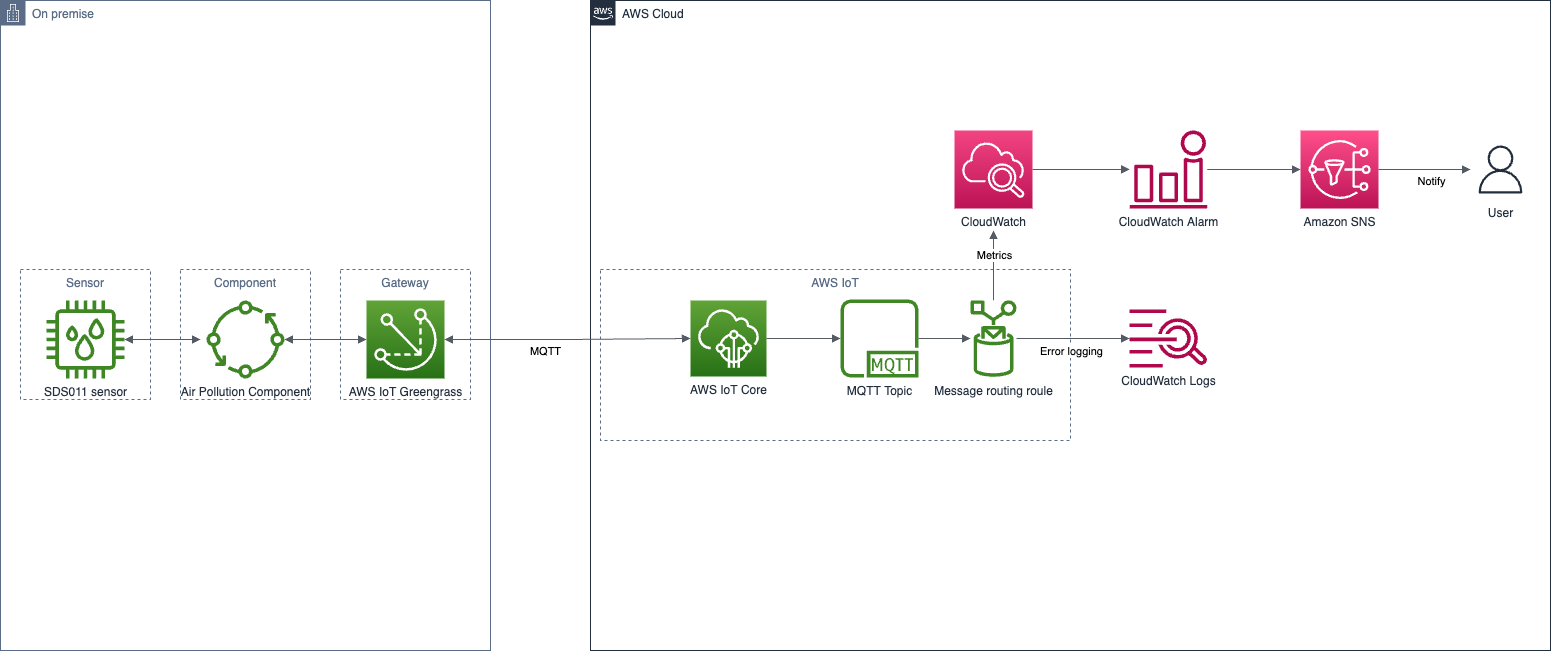
AI‐ and IoT‐based hybrid model for air quality prediction in a smart ... Circuit Diagram
Traditional air quality monitoring systems, while effective, have limitations—often in terms of real-time data accuracy, coverage, and response time. But there's a new player in town: Artificial Intelligence (AI). AI is transforming air quality monitoring in ways that could not have been imagined just a decade ago. In February 2024, the US Environmental Protection Agency committed US$83 million (£64.5 million) to expand and upgrade its air pollution monitoring network. This tech can be used to better
